




What is Rhubarb Root Good For?
Key takeaways
Rhubarb root is rich in compounds with wide-ranging properties.
There is compelling evidence that it has substantial health benefits, including promoting gut health and alleviating menopausal symptoms.
Despite its potential health benefits, long-term use (more than two years) is bogged by controversy.
There are claims long-term use could lead to liver cirrhosis, hypokalemia, and kidney stones. But more research is needed to confirm these claims.
Table of Contents
The health and wellness industry is booming, and natural solutions are in vogue. Many people are turning to organic products to deal with their health issues. So, the news that natural ingredients from ordinary plants like rhubarb may help with some health concerns should be sweet music to many ears. Moreover, research proves that our bodies absorb plant-based minerals and vitamins more easily than their synthetic counterparts.
So, let’s explore a unique herb called rhubarb. Unique because this plant is both beneficial and poisonous. This article focuses on the good vibes only – rhubarb’s properties, health benefits, and usage.
What is rhubarb root?
Rhubarb is the collective name for a plant species of the Rheum genus. There are over 60 different types of rhubarb plants. Most are native to Southern and Eastern Asia, Northern tropical Asia, and Eastern Europe. But thanks to its medicinal and dietary uses, this plant is now cultivated in most parts of Europe and North America.
Apart from the leaves (which are toxic), every other part of rhubarb is harvested for various uses. Its long, fleshy, succulent stalk is used to make pies and other food due to its tarty flavor. The underground stem (rhizome) and roots are widely used for their medicinal value.
In traditional Chinese medicine, rhubarb root is used to treat stomach problems like constipation, diarrhea, heartburn, gastrointestinal bleeding, and inflammation. However, recent research studies propose that rhubarb root may also help alleviate sepsis and menopause symptoms. That’s because it contains various medicinal compounds such as:
- Anthraquinones, e.g., emodin, chrysophanol, aloe-emodin, and rhein.
- Anthraquinone glycosides (laxatives)
- Antioxidants, e.g., catechins
- Phenolics, e.g., glucose gallates and naphthalenes
- Tannins
- Polysaccharides
- Stilbenes
The leaves contain oxalic acid salts – a toxic substance that isn’t broken down by heat when cooking. This, the English discovered the hard way since they ate every part of the plant. The ensuing health complications (nausea, stomach cramps, or death) made them shun rhubarb for the next two centuries until they found out the stalks were the edible parts.
Some common rhubarb varieties include:
- Chinese rhubarb
- Syrian rhubarb
- Garden rhubarb
- Rhapontic or false rhubarb
Types of rhubarb root
Rhubarb roots are typically classified by the color of their stalk – red, speckled, or green. The red-stalked type is a favorite among most people, although the green ones tend to be more productive.
Perhaps it is because people often associate red with sweetness, but color and taste are not always related. In most cases, one variety can acquire different names as the plant moves around while adopting new color variations.
The way to go about choosing rhubarb is by what you want it for. For example, if you want to make an open-face tart, the red-stalked varieties are ideal. However, the green or speckled ones will do just fine for double-crust pies and rhubarb bars.
Also, the condition of the stalks gives a rough idea of the quality of the roots. Go for stalks that are unbent or bruised, firm, and with a light sheen. If the leaves are still attached to the stalk, check that they are not wilted or have started rotting.
What is Rhubarb Root Good For
Chinese rhubarb is one of the best-known plants in traditional medicine. The first documented use of this herb dates back to circa 200 AD during the Han dynasty. Then, it was used as a purgative and laxative to treat constipation and diarrhea, depending on the amount taken.
Larger doses were used to purge toxins from the digestive system, while smaller doses were more effective in lubricating the digestive tract lining, thus improving tone. The tannins found in the roots were particularly effective in binding the bowel. Subsequently, Chinese rhubarb was one of the go-to herbs to stop GI bleeding.
But as research on rhubarb and other medicinal plants continue, many of its medicinal properties have been discovered. These have various health benefits, as discussed in the following section.
Benefits of Rhubarb Root
Here are some research-backed properties and potential benefits of rhubarb root.
Anti-bacterial
Rhubarb demonstrates broad anti-bacterial activity against various bacteria, including:
- Staphylococcus aureus
- Lactobacillus
- Bifidobacteria
- Escherichia coli
- Helicobacter pylori
- Drug-resistant H. pylori and S. aureus
Concentrated rhubarb extract exhibits strong anti-bacterial action against a wide range of bacteria, e.g., Listeria, E. coli, Bacillus subtilis, etc. In fact, research suggests that it may even be stronger than conventional antibiotics.
Its strong anti-bacterial activity, e.g., preventing the growth of S. aureus, stems from its ability to destroy the cell wall structure of bacteria and change their cell membrane’s permeability. This effectively kills the bacteria.
As regards multidrug-resistant bacteria, research shows that rhubarb can impede bacterial biofilms from forming by suppressing transduction systems and regulating DNA binding protein levels as well as transcription factors (TFs). Pardon the scientific jargon!
Indeed, bacterial biofilms are a leading cause of drug resistance in bacteria. For example, Streptococcus suis is a swine pathogen noted to cause persistent human infections because it’s resistant to most antibiotics.
Other rhubarb compounds like emodin have been shown to prevent bacteria like Stenotrophomonas maltophilia and Pseudomonas aeruginosa from forming biofilms. On its part, aloe-emodin can degrade bacterial membranes by affecting the proteins used to build them.
Another well-established benefit of rhubarb is observed in the gut. An optimal gut microbiota is typically necessary to prevent pathogenic bacteria from growing in the digestive system. It also contributes to metabolic homeostasis, maintaining energy and supporting the immune system.
A 2018 study showed intestinal E. coli and Bifidobacteria populations grew after rhubarb was administered to chronically sick patients. Other studies also show that rhubarb helps maintain a healthy gut environment by promoting the growth of beneficial gut bacteria.
Consequently, this herb demonstrates potential therapeutic benefits for ulcerative colitis, liver inflammation, and gut homeostasis.
Anti-inflammatory activity
Rhubarb’s anti-inflammatory effects have been the subject of many scientific inquiries. A 2019 review of its anti-inflammatory properties concluded that this effect was induced by chemical compounds—rhaponticin and aglycone rhapontigenin—which inhibited the activation of various pro-inflammatory proteins.
Other anti-inflammatory rhubarb compounds are rhein, emodin, aloe-emodin, and chrysophanol.
When treating inflammatory conditions, rhubarb supports the structural and physiological recovery of organ functions and improves their cure rate. The chemicals emodin and chrysophanol, for example, can induce cell apoptosis, reverse mitochondrial damage, promote the growth of acinar cells, and reduce pancreatic damage.
Anti-fibrotic activity
Fibrosis can result from chronic kidney disease, liver injury, pulmonary interstitial disease, and many other chronic conditions. It is usually caused by the degeneration and subsequent death of parenchymal cells.
Research shows that rhubarb can alleviate fibrosis by reversing or preventing parenchymal cells from degenerating and eventually dying by:
- Reducing the deposition of collagen
- Preventing monocytes from migrating to damaged tissues
- Stopping fibroblasts activation
- Triggering collagen degradation
While inflammation is the body’s natural way of fighting a pathogenic invasion, it also damages parenchymal cells. However, rhubarb compound emodin can help reduce the negative effects of inflammation by regulating inflammatory responses, autophagy, and oxidative stress.
Gastrointestinal function
Rhubarb’s most known function appears to be the processing of residual food. These are “residues” that come from undigested food that eventually makeup stool. If you produce less food residue, you reduce bowel movements.
Rhubarb compounds such as anthraquinone, rheinosides, and sennosides, among others, have laxative effects that stimulate movement and contraction in the intestines. Others, like tannin, play an antidiarrheal role due to their ability to promote protein coagulation.
Many experiments show that rhubarb supports gastrointestinal function by:
- Protecting the mucus barrier of the intestines
- Maintaining a healthy gut microbiota
- Reducing mucosal damage by regulating intestinal permeability
- Regulating intestinal immune function
- Promoting the secretion of immunoglobulin A
- Triggering the proliferation of goblet cells in the intestines. These cells produce mucus, thus reinforcing the mucosal barrier in the intestines.
In sum, rhubarb displays wide-ranging pharmacological effects in the GI tract. The potential areas where rhubarb’s medicinal qualities have clinical applications include constipation, severe acute pancreatitis, sepsis, and chronic renal failure.
Others include type-2 diabetes, pesticide poisoning, heat stroke, respiratory distress syndrome, hepatic encephalopathy, and cholestatic hepatitis.
Rhapontic rhubarb root extract for menopause
Rhubarb also demonstrates a potential therapeutic effect on menopausal symptoms. A clinical trial investigating the qualities of rhapontic rhubarb found that it reduced the severity and frequency of hot flashes leading to a better quality of life.
Two other studies published in Menopause and Alternative Therapies In Health And Medicine have confirmed these health benefits.
Besides reducing hot flashes, rhapontic rhubarb also reduces anxiety in women getting into menopause.
How to Take Rhubarb Root
Rhubarb exists in various forms, typically made from the plant’s rhizomes and roots. These include:
- Powder
- Dried root pieces
- Tablets and capsules
- Tea
- Tinctures
- Extracts
- Traditional Chinese remedies
- Infusions
The dosage varies depending on the extract type and disease severity, among other factors. Clinical trials generally use between 50 mg to 50 grams a day.
A common dosage of Chinese rhubarb in powder form is 10-30 grams daily. For supplements like rhapontic rhubarb, 1 tablet per day is the recommended dose.
Rhubarb Root Topicals
Rhubarb root topicals are another way to take this medicinal herb. These are applied to the skin to help with wide-ranging health issues such as inflammation, pain, and swelling.
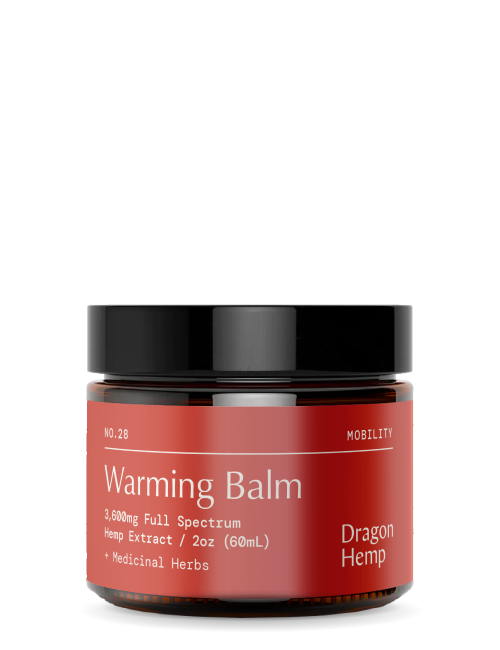
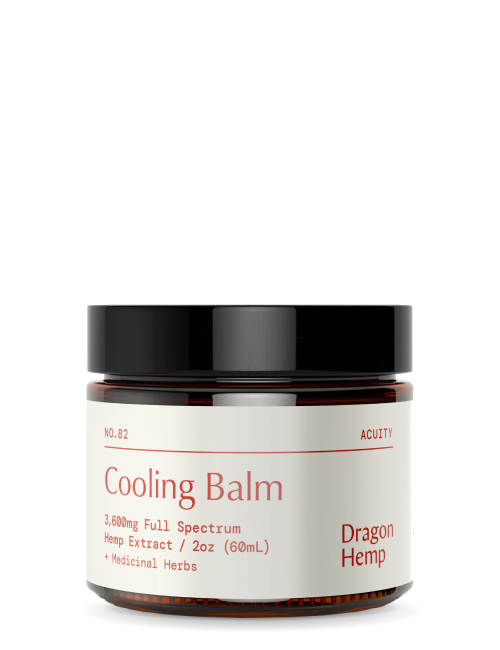
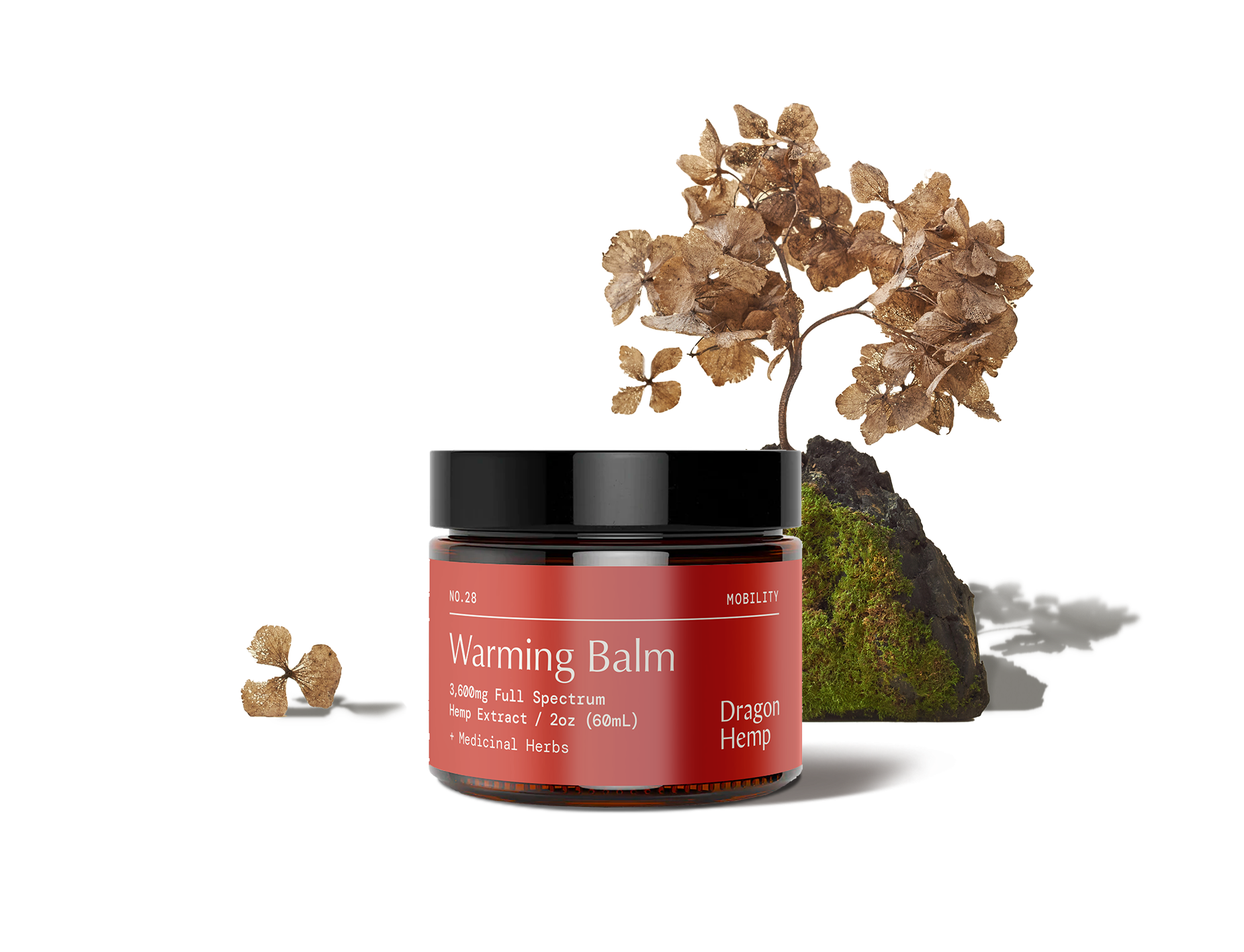
To spare you the trouble, we’ve done the donkey work and developed a Cooling Balm that contains full-spectrum hemp CBD and several herbals like rhubarb root, myrrh, menthol, corydalis, and other Chinese herbs to offer immediate relief from acute pain and injury.
This balm is expert-formulated to absorb easily into the skin and provide a cool, soothing sensation deep into muscle tissue.
Rhubarb Root tea
You can easily make rhubarb root tea by mixing around 1 to 1.5 tsp of powdered rhubarb root in 1 cup of water to make rhubarb tea.
Boil the mixture, then simmer on low heat for about 10 minutes. Take the tea twice a day (morning and evening) or at convenient times, depending on your routine.
Where to Buy Rhubarb Root
Quality is the key to having natural fixes work for you. But because the FDA does not regulate natural/herbal supplements, safety and quality remain pressing issues. That’s why we recommend getting the benefits of rhubarb root from a credible brand like Dragon Hemp, and our Cooling Balm.
We also have a wide array of organic products that may help with various health concerns. So, check our range of natural health and wellness products and make an order today!
Rhubarb Root in a Practitioner's Materia Medica
Rhubarb root sits in an unusual place in clinical practice — both ancient and reemerging. The classical Chinese pharmacy has used Da Huang for two thousand years for the patterns of Heat accumulation, digestive stagnation, and the sluggish bowel that follows them. Modern menopausal research has independently arrived at rhapontic rhubarb as a non-hormonal option for women navigating the most disruptive years of hormonal transition. Two clinical lineages, one root.
What unites them is the same principle that runs through the rest of Dragon Hemp's apothecary: ancient pattern diagnosis informing the architecture, modern compounding executing the delivery. Rhubarb root isn't a generic supplement — it's a precise tool with dose-dependent effects, distinct species, and specific clinical indications that reward thoughtful sourcing and practitioner-aligned use.
For those navigating menopause, chronic digestive sluggishness, or accumulated Heat patterns that haven't responded to gentler interventions, rhubarb root deserves a closer look — chosen by species, dosed with intent, sourced from suppliers who treat it like the clinical tool it is.
Find Rhubarb Root In:
An icy rush to comfort overworked muscles and joints.
Formulated to calm the body and clear excess heat following activity or physical stress.
This fast-acting topical moves with you, pairing a robust concentration of full-spectrum hemp extract with cooling Chinese herbs to provide a steady, refreshing chill to areas of sudden sensitivity.
Drawing from time-honored ‘dit da jow’ martial arts formulas, this high-potency blend encourages circulation while systematically diffusing the "trapped" heat from overexertion to help you maintain balance and return to movement.
Because recovery shouldn’t be a waiting game—and keeping your cool shouldn’t keep you frozen in place.
Frequently Asked Questions About Rhubarb Root
What is rhubarb root good for?
Direct Answer
Rhubarb root (Da Huang) is a TCM herb used to clear excess Heat from the digestive tract, ease constipation, support healthy bowel function, and — in the case of rhapontic rhubarb root — reduce hot flashes and night sweats during menopause. It works as both a downward-moving purgative at higher doses and a gentle digestive tonifier at lower doses.
Clinical Context
The action of rhubarb root is dose-dependent. Larger doses purge accumulated Heat and waste from the lower jiao; smaller doses tonify the digestive lining and improve gut motility without the laxative effect. Practitioners select the dose based on whether the pattern is one of excess or deficiency.
Does rhubarb root work for menopause?
Direct Answer
Yes — specifically rhapontic rhubarb root (Rheum rhaponticum), a different species than culinary rhubarb. Clinical research has shown that standardized rhapontic rhubarb extract significantly reduces hot flashes, night sweats, and sleep disruption associated with menopause, with efficacy comparable to hormone replacement therapy in some trials.
Clinical Context
The active compounds are rhapontigen and related stilbenes, which act on estrogen-beta receptors selectively, without the proliferative effects on breast tissue associated with estrogen-alpha activation. This selective profile is why rhapontic rhubarb is increasingly used in non-hormonal menopause protocols.
What are the side effects of rhubarb root?
Direct Answer
At appropriate clinical doses, rhubarb root is generally well-tolerated. Common side effects include loose stools or cramping at the higher purgative doses. Long-term use of stimulant-laxative doses (more than 1–2 weeks consecutively) can lead to electrolyte imbalances or dependent bowel function and should be supervised by a practitioner.
Clinical Context
Rhubarb root contains anthraquinones, which are the active compounds responsible for both its therapeutic effects and its potential side effects at high doses. The TCM clinical use distinguishes between short-term acute use (purgative effect) and long-term low-dose use (tonifying effect) — confusing the two is the most common source of side effect risk.
How long does rhubarb root take to work?
Direct Answer
For purgative effects on constipation, 6–12 hours after oral ingestion. For menopause symptom relief using rhapontic rhubarb extract, most clinical studies report measurable improvement within 4–8 weeks of consistent daily use, with continued improvement out to 12 weeks.
Clinical Context
The time-to-effect difference reflects the different mechanisms involved. Anthraquinone-driven laxative effects are pharmacological and act on the bowel directly within hours. Stilbene-driven hormonal modulation works through receptor signaling and gene expression, which takes weeks to compound.
What is the difference between rhubarb root and rhubarb stalks?
Direct Answer
Different parts of different rhubarb species. The culinary rhubarb stalks (Rheum rhabarbarum) found in pies and jam are mildly tart vegetables. Medicinal rhubarb root (Rheum palmatum, Rheum officinale, or Rheum rhaponticum) is the underground rhizome, contains much higher concentrations of active compounds, and is bitter, cold in TCM nature, and used for specific clinical indications — not consumed as food.
Clinical Context
The leaves of all rhubarb species contain oxalic acid in concentrations that can be toxic to humans. The roots and stalks of culinary species are safe; the medicinal root is dosed carefully for clinical effect, not eaten casually.
Is rhubarb root the same as Da Huang?
Direct Answer
Yes — Da Huang is the pinyin name for the dried rhizome of Rheum palmatum or Rheum officinale, the species traditionally used in Chinese herbal medicine. It is one of the most commonly used purgative herbs in the TCM materia medica and appears in classical formulas for constipation, abdominal distension, and accumulated Heat.
Clinical Context
Da Huang has been documented in Chinese medical texts since at least the Han dynasty (~200 BCE). It is a chief herb in numerous classical formulas, often paired with herbs that moderate its strong downward action to make it suitable for sustained clinical use.
What is rhubarb root tea good for?
Direct Answer
Rhubarb root tea is most commonly used for short-term relief of constipation and digestive sluggishness. It can also be used as a mild bitter digestive tonic before meals to stimulate digestive secretions, though this requires precise dosing — too much produces the laxative effect rather than the tonifying one.
Clinical Context
Tea preparation extracts both the anthraquinone glycosides (laxative compounds) and the bitter principles (digestive tonifying compounds). The concentration determines which effect predominates. For tonifying use, a brief steep with a small quantity of root; for purgative use, a longer steep with a larger quantity.
Where can I buy rhubarb root?
Direct Answer
Practitioner-grade rhubarb root — either as the dried Da Huang for tea preparation, as a standardized rhapontic extract for menopause support, or as part of a formulated supplement — is best sourced through licensed herbalists, established TCM apothecaries, or supplement brands that publish certificates of analysis. Quality varies significantly across the consumer supplement market.
Clinical Context
Because rhubarb root has specific clinical indications and dose-dependent effects, sourcing from a practitioner-grounded supplier matters more than for many other herbal supplements. Look for species clearly identified on the label (Rheum palmatum, officinale, or rhaponticum), country of origin documented, and ideally third-party testing for heavy metals and microbial contamination.

Kevin Menard, LAc.
Kevin Menard, LAc., is the founder of Dragon Hemp and a licensed acupuncturist specializing in Sports Medicine Acupuncture and Traditional Chinese Medicine. He practices at his Sag Harbor clinic, where Dragon Hemp's formulas were developed.



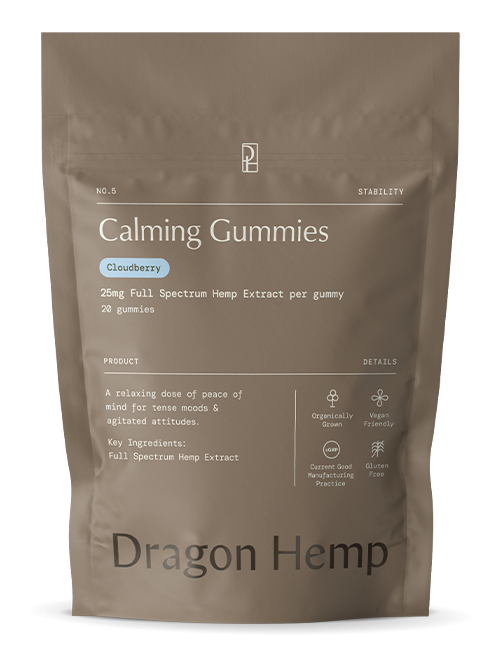
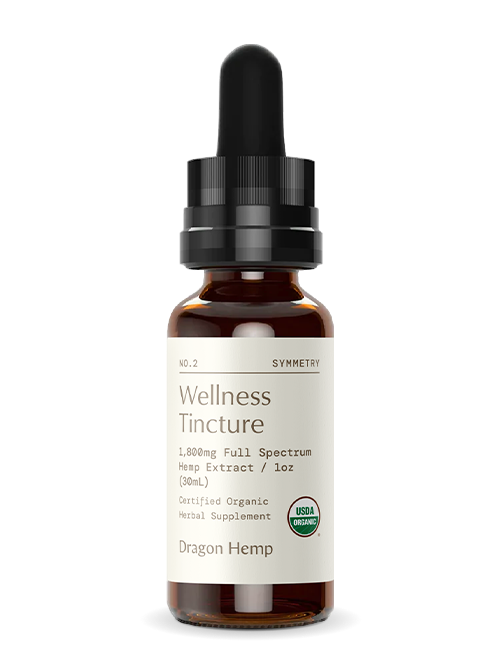
A foundational ritual for daily resilience and systemic balance.
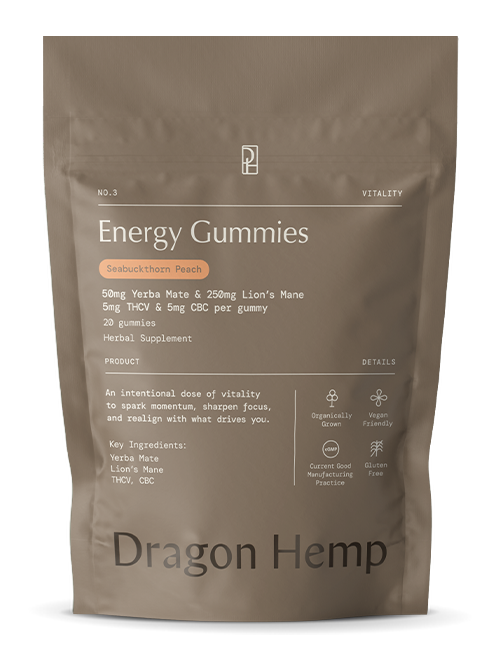
A clean-burning herbal boost for immediate clarity and momentum.
Feel like yourself again.
Peruse our collection of plant-based therapeutics blending time-honored herbal remedies with next-generation cannabinoid extracts.