






5 Sleep Habits to Steal From Winter Olympians
|
|
Time to read 7 min
Buy 2, Get 1 Free | 40% OFF $250+
50% OFF $500+ | Shop Now
|
|
Time to read 7 min
This article originally appeared on The New York Times.
Tess Johnson has always had trouble sleeping the night before a competition. The 25-year-old, who will be representing Team U.S.A. at the Olympics this month, competes in moguls skiing — a discipline that involves making very tight turns down bumpy runs and performing two acrobatic jumps on the way down. In other words, there is little room for error.
“I’ll find myself waking up in the middle of the night, just kind of ruminating,” Ms. Johnson said. “Whether it’s something in my skiing, or the result.”
Intense training, busy travel schedules and the pressure of competition can all wreak havoc on elite athletes’ sleep. In a 2024 study of 1,603 Team U.S.A. athletes, nearly 40 percent of them reported poor sleep.
Sleep plays a role in athletic performance, but the pressure to optimize sleep can backfire. For that reason, Emily Clark, a psychologist for the United States Olympic & Paralympic Committee who frequently advises athletes on sleep, tells them to aim for consistency, not perfection.
“Vigilance around sleep is counterproductive to sleep,” she said.
Here’s how sleep experts who work with Olympians help them rest better. You don’t need to be an elite athlete to benefit from their advice.
The Olympic Village can be a particularly difficult sleep environment, with tight quarters and notoriously uncomfortable beds. Ms. Johnson, who competed at the Games in 2018, recalls the “paper-thin” walls in Pyeongchang, South Korea.
“I could totally hear people above me, under me, next to me,” Ms. Johnson said. She fell asleep by listening to white noise on noise-canceling headphones. Now she rarely travels without them.
Julia Kern, a Team U.S.A. cross-country skier, regularly travels with her own pillow and a mini humidifier to provide a measure of constancy during winter race season, where she will typically stay in a different hotel every week.
Managing your sleep environment — ideally to make your space dark, quiet and cool — is an essential component of good sleep hygiene, Dr. Clark said. The goal is to control what you can and accept that some sleep disruptions are inevitable.
Ms. Kern is also prone to late-night rumination — and the stakes of Olympic competition don’t help. “Sometimes, after a race, I’ll replay the race in my head and get in this cycle,” she said. To refocus her mind, she imagines she is in bed at home, pictures a blank space or practices box breathing.
Rhythmic breathing exercises are one way to help you relax and send a signal to your sympathetic nervous system that it’s time to wind down, the experts said.
“We want to create a protected time for the body to be prepared for sleep,” Dr. Clark said. You could take a warm shower, listen to calming music or journal, she said. Dr. Clark recommends avoiding activities that may get you worked up before bed — like watching dramatic TV shows or scrolling on your phone.
Sleep consistency, or sticking to a relatively regular bedtime and wake-up time, has been linked to better health. But going to bed at a particular hour can be challenging at the Games, especially for athletes competing in evening events.
Jim Doorley, another psychologist for the United States Olympic & Paralympic Committee, tells athletes to focus instead on keeping their wake-up time stable.
Waking up at roughly the same time every morning helps establish your circadian rhythm, especially if you get a dose of natural light. If natural light is not an option, Dr. Clark said, exercise and eating are the next best ways to reset your internal clock.
While sleep tracking can have some benefits, Dr. Doorley said, it can also lead to “pressure and perfectionism.” He has seen athletes compare sleep scores from their devices (a rating that’s typically based on sleep quality and duration) and even compete with one another. “Sometimes, with more knowledge, comes almost the curse of knowledge,” he said.
Ms. Johnson experimented with sleep trackers for a while, but said the experience of “waking up and being told I slept poorly when actually I felt fine” wasn’t worth the stress.
Ms. Kern tracks her sleep with a device and generally finds it useful, but she makes a point not to check her sleep scores on race weekends so she doesn’t fixate on them.
The U.S.O.P.C.’s sleep guidelines note that, while it’s important for athletes to get consistent sleep, “one night of poor sleep is rarely enough to derail your performance when you have adrenaline on your side and good sleep banked from prior nights.”
Dr. Doorley advises athletes to try to tap into a “childlike relationship to sleep,” or sleeping when you’re tired and trying not to overthink it. “Letting go is essential,” he said.
Ms. Johnson agreed: “That is something I’ve had to learn over my years. I’ve gotten some of my best results on, like, four hours of sleep, probably.”
A consistent sleep schedule could have real benefits for your health.
These important phases in your nightly routine seem to play outsize roles in cognitive health.
Skip the mouth tape, keep a “worry journal” and limit blue light exposure close to bed time. Here's a look at some of the other popular tips making the rounds on social media and whether they work.
Does this mental exercise, meant to signal to your brain that it’s time to fall asleep, really work? We spoke with sleep experts and the scientist who created the technique to learn more.
Good rest starts with a great mattress. These tips can help you pick the right one for you out of the countless options available.
Next, you’ll need a good pillow. These customizable models offer the comfort you need — whether you sleep on your stomach, side or back.
Looking for a more luxe experience? The right sheets can make a big difference. Here is a selection to choose from.
White noise machines have the power to mask yapping dogs, clanky radiators and late-night parties. Consider buying one.
Read the original article on The New York Times.
To improve your sleep habits without medication, focus on your body's internal clock. Exposure to natural sunlight in the morning and avoiding blue light from screens at night helps regulate melatonin. Additionally, keeping your bedroom cool (around 18°C) and dark creates the ideal environment for rest.
Quickly shifting your sleep habits involves calming the nervous system. The 4-7-8 breathing technique is a popular method: inhale for 4 seconds, hold for 7, and exhale forcefully for 8. Another effective trick is the "Military Method," which involves systematically relaxing every muscle in your body from your forehead down to your toes.
Consistent sleep habits are built on these pillars:
Stick to a schedule (even on weekends).
Limit caffeine after 2:00 PM.
Optimize your mattress and pillows.
Exercise daily, but not right before bed.
Practice a 30-minute "wind-down" ritual.
Avoid heavy meals late at night.
Use the bed only for sleep and intimacy.
Limit naps to 20 minutes.
Write a "to-do" list to clear your head.
Ensure your room is quiet or use white noise.
Deep sleep is the restorative stage of your cycle. You can boost this through sleep habits like consistent physical activity and avoiding alcohol, which might help you fall asleep but actually destroys the quality of your deep sleep stages.
Your eating sleep habits matter. Foods rich in magnesium (spinach, almonds), tryptophan (turkey, eggs), and complex carbohydrates (oatmeal) can promote sleepiness. Avoid sugary snacks before bed, as they can cause blood sugar spikes that wake you up in the middle of the night.
A common consensus among the "sleep hackers" on Reddit involves sleep habits like "mouth taping" (to encourage nasal breathing) and the "Magnesium Breakthrough." Many users also swear by the 10-3-2-1-0 rule:
10 hours before bed: No caffeine.
3 hours: No food/alcohol.
2 hours: No work.
1 hour: No screens.
0: The number of times you hit snooze.
Anxiety often hijacks your sleep habits. Try "Cognitive Shuffling"—thinking of random, non-threatening objects to distract your brain from looping thoughts. Progressive muscle relaxation can also help ground your body when your mind is racing.
Improving your cycle is all about circadian rhythm. The best sleep habits for this involve consistent wake-up times. If you wake up at 7:00 AM every day, your body will naturally begin to crave sleep at the same time every night.
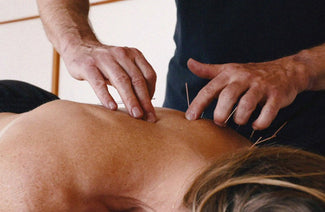
Dragon Hemp was established by Kevin Menard, LAc, a specialist in Sports Medicine Acupuncture and Traditional Chinese Medicine. Developed in his Sag Harbor clinic, our formulations bridge the gap between ancient herbal wisdom and modern cannabinoid research to address the root causes of pain, sleep, and wellness issues.
From our Rest & Restoration and Essential Wellbeing collections to our targeted Aches & Pains topicals, every product is formulated with organically grown botanicals and premium hemp extracts. We invite you to experience our sophisticated fusion of tradition and innovation at our flagship apothecary at 108 Main Street, Sag Harbor, or explore our full range of tinctures, gummies, and balms online.


