




What is THCV? The Benefits of Tetrahydrocannabivarin
It’s no secret that users are often drawn to cannabis products for their ability to produce a “high.” And the icing on the cake is that different cannabis strains have different types of “high.” Some strains like OG Kush and Gorilla Glue are popular for their cerebral “high” and delicious flavors, while others like Star Tonic and Pennywise are milder and preferred for a more chilled experience.
But a lot of cannabis users are not solely after the “high.” This unique plant has been used for millennia thanks to its medicinal properties. As far back as 5000 BC, there is evidence that cannabis was used by ancient civilizations to treat wide-ranging health conditions.
This was possible due to the different compounds that it possesses. Presently, the most well-known are cannabinoids, terpenes, and flavonoids. But as research progresses, you can be certain that more of this plant’s active ingredients will come to light.
Talking of psychoactivity, there are a few cannabinoids associated with this unique cannabis trait. These are primarily the “deltas,” of which the most prominent is delta-9-tetrahydrocannabinol or simply the THC that we’re all intimately familiar with. But in recent times, it’s emerged that this compound might not be the only psychoactive substance in the cannabis plant.
So, in this article, we take an in-depth view of another potentially psychoactive cannabis compound called delta-9-tetrahydrocannabivarin, or THCV. In a way, we‘ve already hinted as to whether THCV is psychoactive or not, but let's explore this lesser-known cannabinoid a little further.
Key takeaways
THCV is a minor cannabinoid that exists naturally in cannabis.
It is less potent than THC because it has a shorter carbon side chain (3 to 5).
THCV exhibits a biphasic effect, e.g., it is only psychoactive in higher doses (> 30 mg).
It has several potential health benefits (but more research is required).
What is THCV?
Full name tetrahydrocannabivarin, THCV is one of the hundreds of cannabinoids that exist naturally in cannabis. Typically, it is present in very low concentrations; hence it is a minor cannabinoid.
THCV sounds very similar to THC, and that’s no surprise because these two “deltas” have near-identical chemical structures. However, THCV has a shorter carbon side chain (3 carbon atoms) than THC (5 carbon atoms). While the difference might seem small, perhaps insignificant, it has big implications for how the human body metabolizes these two compounds.
For instance, the effects of THC typically stimulate appetite while THCV suppresses it. Further, compared to THC, THCV is less psychoactive at lower doses. Studies suggest that THC might have pain-relieving qualities, while research into metabolic health suggest that THCV might potentially treat type 2 diabetes. Although, it’s important to note that these findings are still being investigated. Although, it’s important to note that these findings are still being investigated, specifically regarding how the compound improves insulin sensitivity. In terms of physical properties, THC boils at 155℃, while THCV does the same at 220℃.
Because it exists in such minute proportions, cannabis companies prefer making this cannabinoid artificially. The most established method for doing this right now is through bio-enzymatic synthesis in a bioreactor. However, selective breeding has made it possible to develop THCV-rich strains with as much as 6-8% THCV by dry weight. Generally, strains with over 4% of THCV are considered THCV-rich.
Is THCV psychoactive?
One of the most frequently asked questions about THCV is whether it can get you “high.” Indeed, one of the biggest misconceptions about this phytocannabinoid is that it is non-psychoactive.
However, upon numerous reviews and going by its chemical structure, there is substantial evidence that THCV is psychoactive.
One user who consumed THCV using a vaporizer shared his experience, stating he felt “mild pressure above the eyes and in his stomach.” The intoxicating effects of the cannabinoid kicked in within 15 minutes, after which he felt a “pleasant and enlightening” sense of clarity.
Research shows that if consumed in large quantities, THCV can give a cerebral “high” accompanied by lightheadedness. Perhaps, it is what some users describe as THCV’s “bright high.”
These are indications that THCV might be psychoactive. Although some studies describe THCV as non-psychoactive, this phytocannabinoid is psychoactive, depending on the dosage.
For this reason, THCV is widely considered an “in-between” CBD and THC because it shares certain attributes with these two.
Does THCV get you high?
Yes, but only in large doses. This essentially means THCV has a biphasic effect, i.e., it produces different effects at different doses.
This phenomenon is common among cannabinoids, including CBD and THC. But no cannabinoid exhibits this tendency better than THCV. For instance, depending on dosage and other factors, THCV may produce the following effects:
- Energizing at lower doses may be helpful for people battling depression and anxiety disorders.
- Appetite suppression at lower doses.
- Psychoactive in larger doses resulting in a “clear-headed” experience.
- Anti-inflammatory

Benefits of THCV
Although it is still not as popular as the major cannabinoids (CBD and THC), THCV is becoming more visible. In particular, its reputation has been growing due to its perceived health benefits and milder psychoactivity.
Like THC, THCV is able to bind with endocannabinoid receptors—CB1 and CB2—and stimulate wide-ranging physiological reactions. Depending on their location, the activated receptors trigger typically beneficial effects that cascade throughout the body.
So, regardless of whether you are an old hat or just getting to know cannabis, you can derive many potential benefits from THCV. Here is a list of some of the potential effects researchers have discovered and are currently exploring in THCV.
Reduce inflammation
While inflammation is actually a sign that your body’s immune system is active and responding to infections, it can also cause great pain and discomfort. These can degenerate into wide-ranging debilitating health issues.
If you are a cannabis user, you will be glad to know that THCV might help with inflammation. A 2010 placebo-controlled study on mice showed that THCV reduced inflammation and inflammatory pain. But THCV having anti-inflammatory properties is not surprising given that many cannabinoids exhibit this property. Still, much more research needs to be conducted in human trials in order to definitively say THCV has anti-inflammatory effects.
Pain
THCV can interact with both CB1 and CB2 receptors, meaning it may have a therapeutic effect on nerve pain. This makes it a potential remedy to help with conditions that are prone to neuropathic pain.
Mood elevation and focus
A reason for the recent spike in interest in THCV is its ability to boost mood and focus. Like THC, THCV binds to CB1 receptors in the brain, affecting various cognitive functions, such as focus and mood.
This means you may find it easier to focus on specific tasks after taking THCV. While this is a welcome benefit, more research is needed on THCV’s effects on mood and concentration.
So, even though THCV promises lots of health benefits, it is not all beer and skittles. There are potential drawbacks associated with this cannabinoid that you should know about. For instance, if you suffer from certain eating disorders, you might be better off without THCV because it has the potential to reduce appetite.
Keep in mind that certain cannabinoids have demonstrated an ability to interact with conventional medications. For instance, research shows cannabidiol (CBD) can interact with cytochrome P450 (CYP450) – a family of enzymes that metabolize drugs and other xenobiotics. This affects how the body processes over-the-counter drugs and other medications.
It isn’t clear whether THCV can also affect how CYP450s work, but cannabinoids tend to share certain properties. So, this is another area where more investigation is needed.
How much THCV should I take?
The amount of THCV you should take probably depends on why you are taking it in the first place. Generally, THCV doses larger than 30 milligrams (mg) turn on the cannabinoid’s psychoactive effects.
For persons with weight issues, 5 to 7.5 mg of THCV can suppress appetite by reducing CB1 receptor activity. Another study suggests that this phytocannabinoid may help with weight loss because it reconnects areas in the brain altered by obesity.
While on the topic of weight loss, it is noteworthy that THCV’s ability to stimulate weight loss is evident only in lower doses. At higher doses, it actually does the opposite and increases appetite. So, we should be careful with calling this cannabinoid a weight loss supplement or a tool for managing weight in any way as there’s still much more research to be conducted.
Where to buy THCV online
If you are interested in THCV for wellness purposes, we have an array of cannabis products that will address specific wellness needs.
When it comes to THCV, Dragon Hemp’s products focus on this cannabinoid’s energy-boosting effects. At Dragon Hemp, we make Energy Gummies designed to boost energy levels. Each gummy contains 5 mg of THCV and a similar amount of cannabichromene (CBC) to enhance the overall therapeutic benefits.
A clean-burning herbal boost for sustained clarity and momentum.
Formulated to sharpen focus and provide a steady lift precisely when you need it.
A synergistic blend of Lion’s Mane, Yerba Mate, and functional cannabinoids (CBC & THCV)—ingredients selected to support healthy cognitive function and natural energy levels throughout the day. This plant-based formulation helps you maintain a steady, grounded momentum throughout your day, without the spikes and crashes of traditional caffeine.
Because your vitality shouldn’t borrow from tomorrow—and staying sharp shouldn't mean feeling jittery.
Practitioner-Founded.
Rooted in Clinical Expertise.
Dragon Hemp was established by Kevin Menard, LAc, a specialist in Sports Medicine Acupuncture and Traditional Chinese Medicine. Developed in his Sag Harbor clinic, our formulations bridge the gap between ancient herbal wisdom and modern cannabinoid research to address the root causes of pain, sleep, and wellness issues.
From our Rest & Restoration and Essential Wellbeing collections to our targeted Aches & Pains topicals, every product is formulated with organically grown botanicals and premium hemp extracts. We invite you to experience our sophisticated fusion of tradition and innovation at our flagship apothecary at 108 Main Street, Sag Harbor, or explore our full range of tinctures, gummies, and balms online.
-
Learn more about our botanicals in our Ingredients Index.
- Discover the design and ethos of our Sag Harbor apothecary in Forbes.
FAQ: Frequently Asked Questions about THCV
What does THCV make you feel like?
THCV provides a sharp, motivated, and clear-headed sensation. Often called "the sports car of cannabinoids," it acts as a functional stimulant that provides cbd for focus without the jitters associated with caffeine. You will feel a physical lifting of lethargy and a reduction in the "brain fog" or mental stagnation that hinders productivity.
Does THCV give you energy?
Yes. THCV is unique because it provides a clean, jitter-free energy boost. It works by modulating the ECS to increase metabolic rate and drive alertness. This makes it an ideal component in our Energy Gummies, designed for those needing sustained stamina throughout a high-pressure workday.
Does THCV actually work?
Clinical research and practitioner feedback indicate that THCV is highly effective for appetite suppression and glycemic regulation. It works as an antagonist to the CB1 receptors at low doses, which physically blunts the "munchies" and helps regulate blood sugar, offering a biological advantage for those managing metabolic health.
What is the difference between THCV and CBG? (THCV vs. CBG)
While both are non-intoxicating, they target different forms of stagnation. CBG (Cannabigerol) is an anti inflammatory powerhouse that targets gastrointestinal health and physical tension. THCV is a metabolic stimulant that targets the central nervous system to drive energy and curb hunger.
THC + THCV together: When combined, CBG manages the physical body while THCV drives the mind, creating a high-functioning "flow state."
What is the difference between THCV and THC? (THCV vs. THC)
Though their names are similar, their effects are polar opposites. THC binds to CB1 receptors to create psychoactive intoxication and stimulate appetite. THCV, in low to moderate doses, blocks those same receptors to suppress appetite and provide mental clarity.
THC + THCV together: THCV can actually "buffer" the effects of THC, reducing the intensity of the high and preventing the lethargy or "paranoia" sometimes associated with THC.
What is the difference between THCV and CBC? (THCV vs. CBC)
CBC focuses on structural brain cells and mood elevation through neurogenesis. THCV focuses on metabolic output and immediate alertness. CBC is for long-term neural repair; THCV is for immediate cognitive drive.
THC + THCV together: This combination creates a "joyful focus," where CBC stabilizes the mood and THCV provides the energy to execute tasks.
What is the difference between THCV and CBN? (THCV vs. CBN)
These represent the two poles of the chinese clock. CBN (Cannabinol) is a sedative used for deep, evening restoration. THCV is a daytime molecule used to prevent midday slumps. They should generally not be used at the same time, as their functions are antagonistic.
What is the difference between THCV and CBD? (THCV vs. CBD)
CBD is a broad-spectrum regulator used to lower cortisol and manage supplements that help with anxiety. THCV is a narrow-spectrum stimulant used for focus and metabolic control.
THC + THCV together: CBD provides the "brakes" for the nervous system, while THCV provides the "gas," resulting in calm, directed energy.
What’s the difference between THCV and Lion's Mane? (THCV vs. Lion's Mane)
Lion's Mane is a functional mushroom that supports Nerve Growth Factor (NGF) for long-term memory. THCV is a cannabinoid that provides immediate metabolic energy.
THC + THCV together: Combining a natural remedy to treat anxiety like Lion's Mane with THCV creates a potent "nootropic stack" for both immediate focus and long-term brain health.
Is delta-8 or delta-9 the same as THCV?
No. Delta-8 and Delta-9 are isomers of THC that are psychoactive and typically increase appetite. THCV has a different molecular side chain that allows it to suppress appetite and provide a non-intoxicating, stimulating effect. They are entirely different chemical entities.
Can THCV cause anxiety?
For most, THCV is less likely to cause anxiety than THC because it does not heavily activate the CB1 receptors that trigger the "fight or flight" response. However, because it is stimulating, those sensitive to stimulants should start with a low dose, such as one Energy Gummy, to assess their tolerance.
Is THCV legal?
Yes. THCV derived from the cannabis plant (hemp) is federally legal under the 2018 Farm Bill, provided the product contains less than 0.3% Delta-9 THC.
What gummies have THCV in them?
Most "wellness" gummies use cheap CBD isolate. Our Energy Gummies are professionally formulated with a clinical dose of THCV, CBC, and caffeine-free botanicals to clear mental stagnation and drive metabolic energy without the crash.



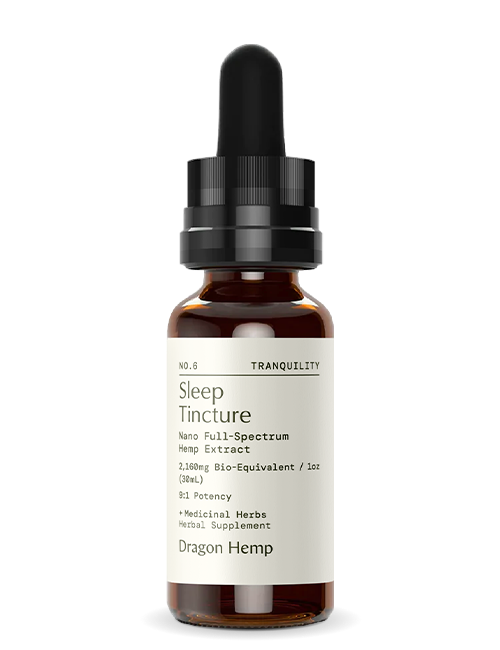
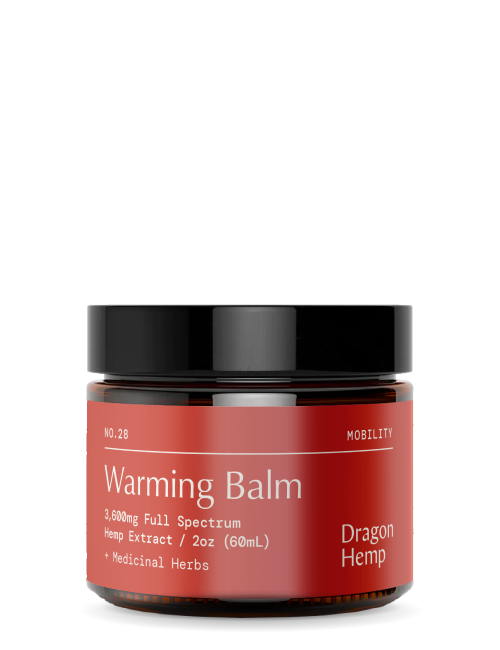
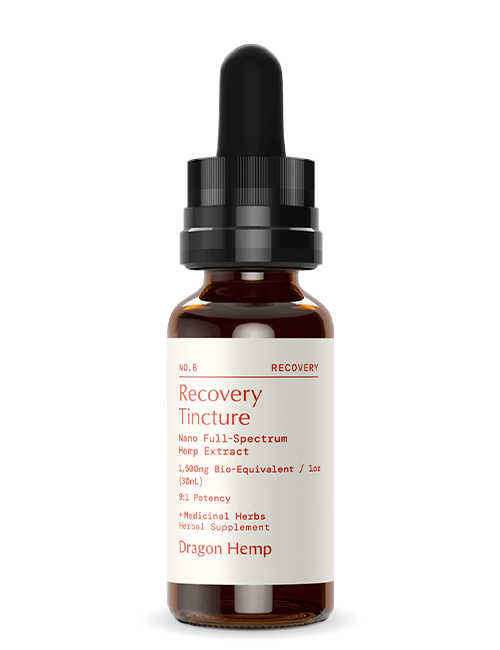
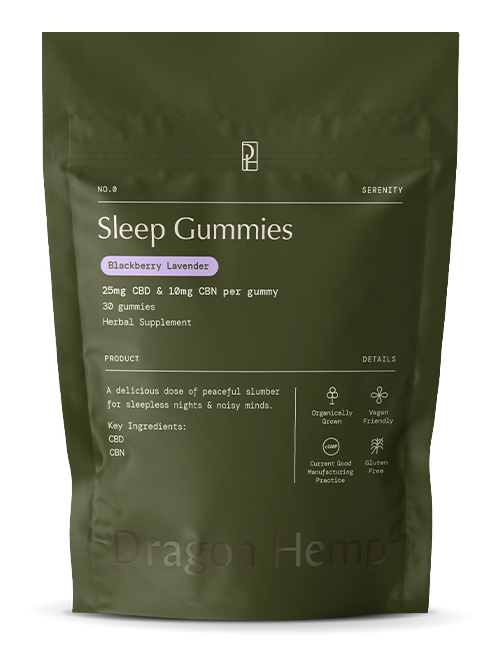
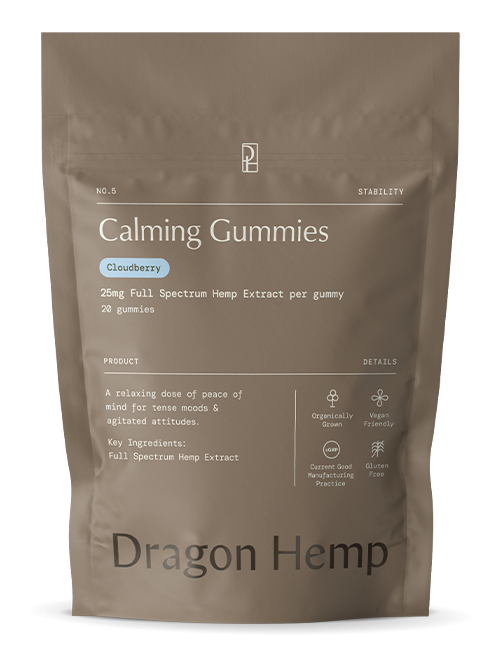
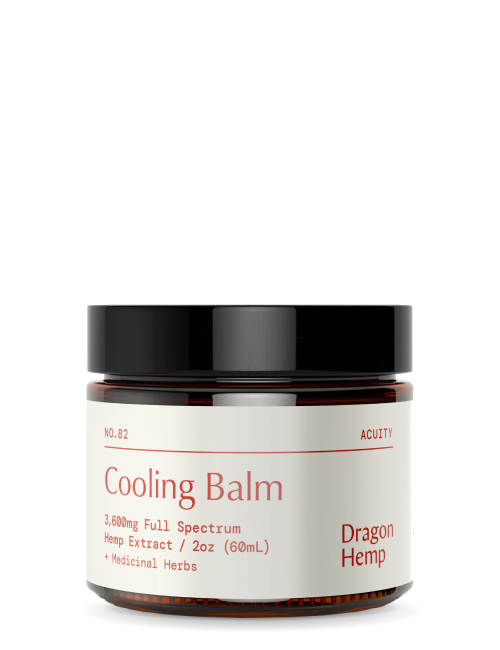
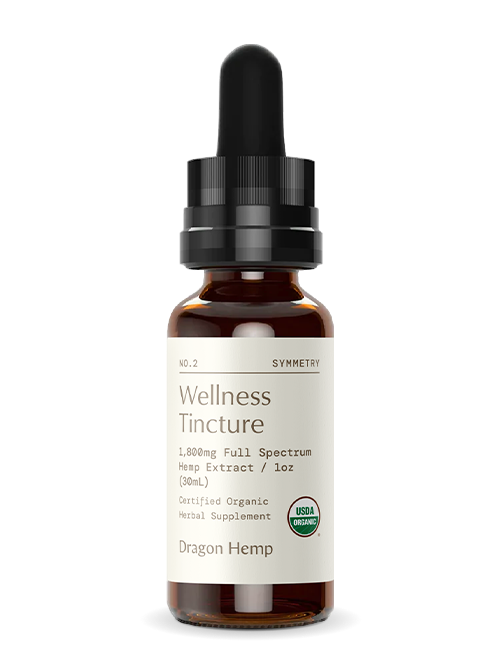
A foundational ritual for daily resilience and systemic balance.
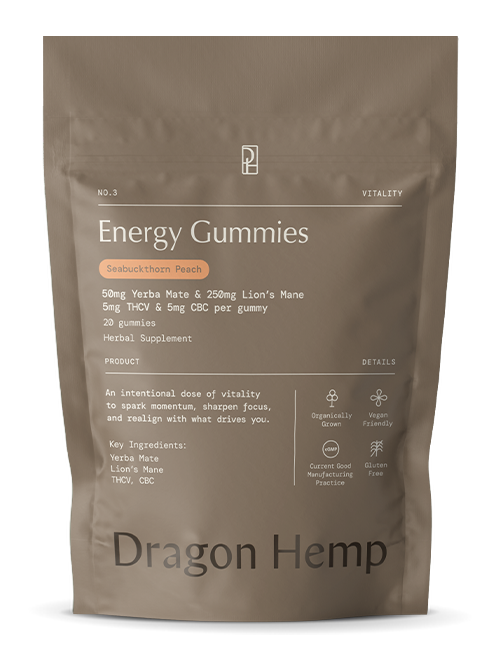
A clean-burning herbal boost for immediate clarity and momentum.
Feel like yourself again.
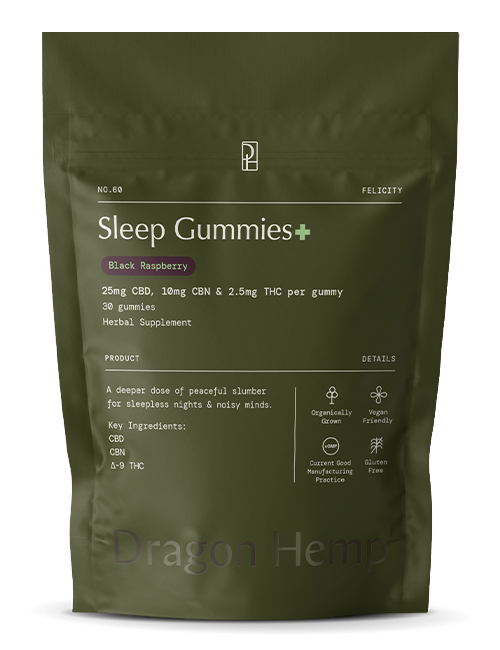
Peruse our collection of plant-based therapeutics blending time-honored herbal remedies with next-generation cannabinoid extracts.