



Can Stress Affect Your Sleep? Understanding the Connection Between Stress and Sleep
|
|
Time to read 10 min
Buy 3, Get 2 Free | 40% OFF $200+
50% OFF $400+ | Shop Now
|
|
Time to read 10 min
Most of us know the feeling. You turn out the lights, settle into bed, and expect your body to follow. Instead, your mind picks up speed. Thoughts loop. Muscles hold tension you didn’t realize was there. You adjust your pillow, turn again, and glance at the clock—hoping sleep hasn’t slipped too far out of reach.
Stress and sleep are deeply connected. When one falters, the other tends to unravel. Modern research continues to reveal how powerful this cycle can be—and how damaging it becomes when it persists for too long.
Understanding this relationship is one of the most important steps you can take in restoring your deeper self. Because yes, stress affects your sleep. But poor sleep also heightens your stress. And somewhere in the center of that loop lies your nervous system, doing its best to keep you balanced while running on limited resources.
Let's explore what scientists know about the link between stress and sleep, why the cycle can be difficult to break, and how natural botanicals—particularly the time-honored Chinese herbs licorice root, schisandra fruit, and sour jujube seeds—can support a calmer, more resilient system.
Table of Contents
Stress triggers a cascade of physiological responses that were designed for survival. The sympathetic nervous system—the part responsible for “fight or flight”—activates instantly when your mind perceives strain, pressure, or threat.
Once activated, stress hormones like cortisol and adrenaline rise. These chemicals increase alertness, sharpen attention, and heighten muscle tension. They’re essential tools when you need to meet a deadline or respond to danger. But when the system doesn’t turn off at night, these same responses make deep rest difficult.
Research shows that elevated cortisol levels in the evening correlate with:
Longer time to fall asleep
More nighttime awakenings
Fewer minutes of deep, restorative sleep
Shorter REM cycles
Higher next-day irritability
Reduced emotional resilience
Even mild stress can disturb the body’s natural sleep architecture. And when stress becomes chronic, sleep loss often becomes part of the pattern.
The relationship between stress and sleep moves in both directions. When you don’t sleep well, your stress response becomes even more reactive the following day.
Studies show that sleep deprivation:
Increases cortisol release
Heightens reactivity in the amygdala (the brain’s threat-processing center)
Reduces communication between the amygdala and the prefrontal cortex (your rational, calming center)
Weakens emotional regulation
Increases anxiety and irritability
Reduces tolerance for normal day-to-day stressors
Poor sleep essentially lowers your stress threshold, making ordinary challenges feel heavier. Over time, this contributes to a harmful cycle: stress leads to poor sleep, which heightens stress, which disrupts sleep—again.
This is why breaking the stress and sleep cycle requires more than simply “trying to relax.” The nervous system needs targeted, thoughtful support.
“Melatonin supplements may not be as harmless as commonly assumed. If our study is confirmed, this could affect how doctors counsel patients about sleep aids.”
Many people reach for quick fixes when they struggle to sleep. Some rely on over-the-counter sleep aids. Others increase caffeine during the day to counter low energy—only to find sleep becomes even harder at night.
In traditional herbal practice, the approach looks different. Instead of forcing sleep, practitioners work to regulate the systems that govern both stress and rest:
The mind
The heart
The liver
The adrenal system
The nervous system’s balance between “fight or flight” and “rest and digest”
This is where traditional Chinese herbs such as licorice root, schisandra fruit, and sour jujube seeds become especially valuable.
These herbs have been part of traditional wellness practices for centuries. Today, they’re increasingly part of modern discussions around natural sleep aids—not because they sedate you, but because they support the root of the problem: a taxed, overstimulated nervous system.
Licorice root is one of the most widely used herbs in traditional Chinese formulas. It acts as both a harmonizer—helping other herbs work more effectively—and a supportive botanical for the adrenal system.
Modern research shows that licorice root can help the body regulate cortisol more efficiently. In periods of stress, cortisol often fluctuates rapidly or remains elevated for too long. By supporting baseline adrenal function, licorice root helps steady these fluctuations.
For the stress and sleep cycle, this matters. A more balanced stress response helps the body resume its natural rhythmic drop in cortisol during the evening—one of the signals your body uses to wind down for sleep.
When sleep breaks in the middle of the night, it doesn’t just steal your rest — it unsettles your rhythm.
Those 3 A.M. wake-ups ripple through your mornings, your meetings, your mood. Focus fades. Energy dips. Stress lingers.
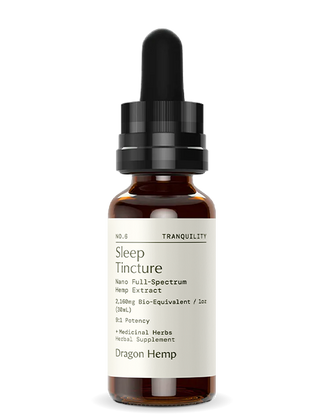
Each drop of our Sleep Tincture helps rebalance the body’s natural sleep cycle with a restorative blend of anemarrhena root, licorice root, poria, schisandra fruit, sour jujube seed, and Szechuan lovage root, infused with full-spectrum CBD and CBN to calm the mind, ease tension, and support deep, continuous rest — so you can stay asleep and wake restored.
Schisandra fruit is considered an adaptogen—an herb that helps the body adapt to stress with more stability and less strain. In classical Chinese medicine, it’s used to calm the mind, support emotional resilience, and harmonize the liver system—a system often associated with tension, irritability, and nighttime restlessness.
Research suggests schisandra may support:
Lower stress-induced inflammation
Improved nervous system recovery
Better emotional regulation
Reduced oxidative stress
More stable energy during the day
Schisandra is powerful because it doesn’t sedate you—it helps regulate the underlying stress response so that sleep can come more naturally.
Sour jujube seeds have been used for centuries to nourish the heart system and calm the spirit—two core principles in Chinese herbalism tied directly to sleep quality.
This herb is widely regarded as one of the most effective natural botanicals for:
Difficulty falling asleep
Nighttime awakenings
Emotional overstimulation
Light, unsteady sleep
Its calming effect comes from its ability to gently soothe the nervous system without heavy sedation. This is why sour jujube seeds are often featured in formulas designed specifically to repair the stress and sleep cycle.
When licorice root, schisandra fruit, and sour jujube seeds are combined, they create a layered approach to sleep support:
Licorice root helps stabilize the stress response.
Schisandra fruit helps reduce mental agitation and nervous tension.
Sour jujube seeds help the mind settle into deeper rest.
Instead of knocking you out, they guide your system back toward balance—allowing sleep to arise naturally.
You don’t have to overhaul your life to find relief, but small shifts can make a meaningful difference. Many people find that combining these herbs with supportive practices helps restore momentum:
Winding down earlier in the evening
Limiting screens before bed
Keeping the bedroom cool and dark
Practicing slow, intentional breathing
Creating predictable evening rituals
Stress doesn’t disappear overnight, but strengthening the systems beneath it creates space for calm to return.
The relationship between stress and sleep isn’t abstract. It shows up in the body, the mind, and the small moments that shape how we move through our days. When stress stays high, the nervous system shifts into a state of constant alertness. When sleep falters, the body loses one of its most reliable tools for repairing that strain. Over time, this creates a loop that’s difficult to break without direct support.
Understanding that connection is the first step toward easing it. The next step is giving the body what it needs to recalibrate. That often means steadying the stress response, supporting emotional balance, and helping the mind settle in the hours before bed. This is where traditional Chinese herbs become deeply valuable.
Licorice root helps regulate the body’s stress hormones so evening calm can return. Schisandra fruit supports a more resilient nervous system, helping you meet daily challenges without tipping into overwhelm. Sour jujube seeds gently quiet the mind, encouraging the kind of rest that restores rather than interrupts. Together, they strengthen the systems that stress wears down and create the internal conditions where sleep can rebuild itself.
Repairing the stress-and-sleep cycle takes patience, but the body responds quickly to the right care. With intentional routines, supportive botanicals, and a willingness to prioritize rest, the nervous system begins to find steadiness again. And as that steadiness returns, so does something larger: a clearer mind, a more grounded sense of self, and the feeling of being better equipped to meet the day.
It isn’t about forcing sleep. It’s about restoring balance—so the body can do what it’s designed to do, and you can feel like yourself again.
← Back to: Calming Tea: A Practitioner's Guide | → Next: What is Chysanthemum Tea
→ Also: The Nightly Restoration Protocol | The Chinese Body Clock | What is Suan Zao Ren Tang?
Melatonin is often marketed as a natural, over-the-counter sleep aid, but “natural” doesn’t always mean harmless. While short-term use may be safe for many, emerging studies suggest that long-term melatonin use could affect cardiovascular function, particularly in people with existing heart conditions. Experts note that while research doesn’t prove cause and effect, the link between melatonin and heart failure risk is prompting closer examination.
Recent research has raised questions about a possible connection between long-term melatonin use and heart failure. Some studies suggest that consistent supplementation may alter blood pressure regulation and heart rhythm over time. While the evidence is still developing, these findings encourage caution — especially for those managing cardiovascular disease or taking heart medications.
Heart patients often struggle with sleep due to factors like fluid buildup, nighttime shortness of breath, or anxiety related to cardiovascular health. Additionally, medications for heart failure can disrupt natural sleep patterns. Instead of relying on melatonin, which may not be ideal for cardiac health, many patients benefit from natural sleep support that focuses on restoring balance — such as calming herbs and cannabinoids that promote deep rest without affecting the heart.
People with heart conditions should use melatonin cautiously. Although it’s widely available, ongoing studies suggest that excessive or prolonged melatonin use may influence cardiovascular function and potentially worsen symptoms of heart failure. It’s best for heart patients to consult their physician before taking melatonin and to consider safer, plant-based alternatives that support sleep through natural rhythm regulation rather than hormone replacement.
The best substitutes for melatonin are natural sleep aids that help the body rebalance its own circadian rhythm. Herbal formulations containing ingredients like anemarrhena root, schisandra fruit, and sour jujube seed — combined with cannabinoids like CBD and CBN — can calm the mind, regulate stress, and promote deeper, more restorative rest. Unlike melatonin, these botanicals support the body’s natural production of sleep hormones without interfering with cardiovascular function.
The safest approach to better sleep is one that works with your body’s systems, not against them. While melatonin supplements are common, they may not be suitable for long-term use, especially for those with heart conditions or risk of heart failure. Natural options like herbal tinctures, lifestyle changes, and stress-reducing botanicals such as poria and licorice root offer sustainable, heart-conscious ways to restore restful sleep.
Melatonin isn’t universally recommended anymore because recent studies have questioned its safety with nightly use — especially in older adults and those with cardiovascular concerns. There’s growing awareness that external melatonin supplementation can disrupt the body’s own hormonal balance and may impact heart health over time. Health experts now emphasize supporting natural sleep pathways through behavioral changes and plant-based therapies instead.
Taking melatonin every night may not be ideal. Prolonged use can interfere with your body’s natural hormone production and, according to recent findings, could influence cardiovascular function and possibly increase heart failure risk in susceptible individuals. Rather than relying on nightly supplementation, it’s safer to explore natural alternatives that restore your body’s innate sleep rhythm.
Potential risks of melatonin include next-day grogginess, hormonal imbalance, and — as recent research suggests — possible effects on blood pressure and heart rhythm. While occasional use is likely safe for many, consistent high-dose melatonin use has been linked to increased concern about cardiovascular health and heart failure risk. Those with heart disease should speak with their doctor before use.
Doctors are becoming more cautious about recommending melatonin because new evidence questions its long-term safety, particularly for patients with heart conditions. While it can help short-term sleep disruptions, its effects on the cardiovascular system are still not fully understood. Many healthcare professionals now suggest non-hormonal sleep aids — including herbal formulations and cannabinoid-based tinctures — that help regulate rest naturally without affecting heart function.
Dragon Hemp was established by Kevin Menard, LAc, a specialist in Sports Medicine Acupuncture and Traditional Chinese Medicine. Developed in his Sag Harbor clinic, our formulations bridge the gap between ancient herbal wisdom and modern cannabinoid research to address the root causes of pain, sleep, and wellness issues.
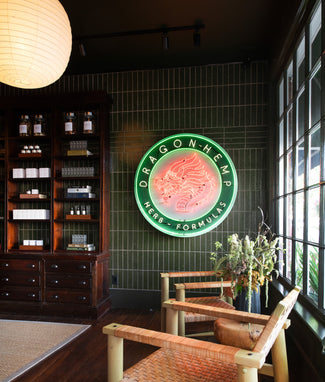
From our Rest & Restoration and Essential Wellbeing collections to our targeted Aches & Pains topicals, every product is formulated with organically grown botanicals and premium hemp extracts. We invite you to experience our sophisticated fusion of tradition and innovation at our flagship apothecary at 108 Main Street, Sag Harbor, or explore our full range of tinctures, gummies, and balms online.